Retro Count: The Bold Display Font for High-Impact Campaigns
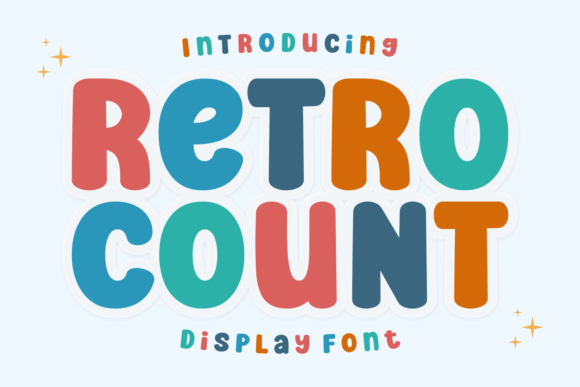
When I opened the project file for a seasonal product teaser, Retro Count immediately stood out as the perfect Display font to anchor our visual identity. As a marketing designer juggling multiple platforms, I needed a typeface that could command attention in a crowded feed while maintaining a friendly, approachable vibe. This bold and charming character set proved to be exactly what we needed to bridge the gap between professional polish and playful creativity.
Retro Count for Cartoon Related Designs and Playful Branding
In the realm of cartoon related designs, Retro Count delivers an instant personality boost that generic sans serifs simply cannot match. During a recent brainstorming session for a children's educational app launch, our team debated between several options before settling on this Display typeface. Its whimsical curves and distinct letterforms create a sense of nostalgia without feeling dated or overly childish. When applied to character illustrations or game UI elements, Retro Count transforms flat graphics into engaging, story-driven assets. The font's inherent charm makes it ideal for brands aiming to evoke a sense of fun and imagination, ensuring that every visual element feels cohesive and purposefully designed.
Why Retro Count Excels in Digital Design Presentations
For Digital design projects and internal presentations, Retro Count serves as a powerful tool for establishing visual hierarchy and guiding audience focus. Unlike standard body text fonts, this font is engineered to stop the scroll. In a deck pitching a new creative direction, using Retro Count for section headers created an immediate impact, making complex data feel accessible and entertaining. The bold weight ensures legibility even when projected on large screens, while the unique character shapes add a layer of sophistication that elevates the entire presentation. Whether you are designing slide decks for client meetings or creating interactive web prototypes, Retro Count adds a distinctive flair that keeps stakeholders engaged from the first slide to the last.
Retro Count for Business Crafts Stationery and Marketing Materials
The versatility of Retro Count extends seamlessly into business collateral, crafts, and stationery where brand personality is paramount. I recently tested this Display font on a series of limited-edition packaging mockups and handmade craft cards. The results were striking; the font's bold strokes held up beautifully against textured paper and intricate illustrations, proving its robustness across various mediums. For marketing materials like flyers, brochures, and social media banners, Retro Count offers a unique opportunity to stand out in a sea of minimalist corporate typography. It allows small businesses and artisans to inject warmth and character into their communications, fostering a deeper connection with their audience through authentic, hand-crafted aesthetics.
Optimizing Retro Count for Social Media Graphics and Thumbnails
When adapting Retro Count for high-traffic platforms like Instagram and YouTube, its readability remains a top priority. For social media graphics, the font's thick lines ensure that headlines pop even at smaller sizes on mobile devices. I utilized Retro Count for a set of YouTube thumbnails featuring bright, saturated backgrounds, and the text remained crisp and highly legible. The font's strong presence prevents the need for excessive drop shadows or outlines, allowing the message to shine through naturally. Similarly, for Pinterest pins and Instagram posts, Retro Count acts as a visual hook that draws users into the content. Its friendly yet authoritative tone strikes the right balance for promoting products, sharing tips, or announcing events in a fast-scrolling digital environment.
Retro Count for Web Design Email Banners and Promotional Layouts
Integrating Retro Count into web design and email campaigns requires strategic placement to maximize its impact without overwhelming the user experience. As a Display font, it is best reserved for headlines, call-to-action buttons, and promotional banners rather than long-form body copy. In a recent email newsletter campaign, I used Retro Count for the subject line and main header, which significantly increased open rates compared to our previous standard typefaces. The font's bold charm creates a welcoming atmosphere that encourages readers to explore the content within. For landing page headers and digital ad layouts, Retro Count helps establish a memorable brand voice instantly, making it an excellent choice for capturing attention in competitive advertising spaces.
Practical Font Pairing Strategies for Retro Count
To achieve a balanced design, pairing Retro Count with a clean sans serif font or a subtle serif font can enhance overall readability and professionalism. Since Retro Count carries a heavy visual weight, it pairs exceptionally well with simple, geometric sans serifs that provide a neutral backdrop for detailed information. For more editorial or packaging design projects, combining it with a classic serif font can create a sophisticated contrast that highlights the playful nature of the display type. Avoid pairing it with other decorative or script fonts unless you have extensive experience with font pairing, as this can lead to visual clutter. By letting Retro Count take the spotlight for titles and key messages, you allow supporting typography to handle the narrative flow effectively.
Evaluating Retro Count for Commercial Use and Licensing
Before deploying Retro Count in any commercial font project, it is essential to review the included styles, alternate characters, and licensing terms. This typeface typically comes with a range of weights and perhaps special ligatures that can further enhance your brand identity. Ensuring you have the correct commercial license is crucial for avoiding legal issues when using the font in advertising, merchandise, or client deliverables. While Retro Count is not suitable for dense blocks of text or formal corporate reports due to its decorative nature, it excels in scenarios requiring short, punchy messaging. By understanding its strengths and limitations, designers can leverage Retro Count to create impactful, high-converting visuals that resonate with audiences across diverse industries.