Drawn Down: The Playful Typeface for Bold Editorial Design
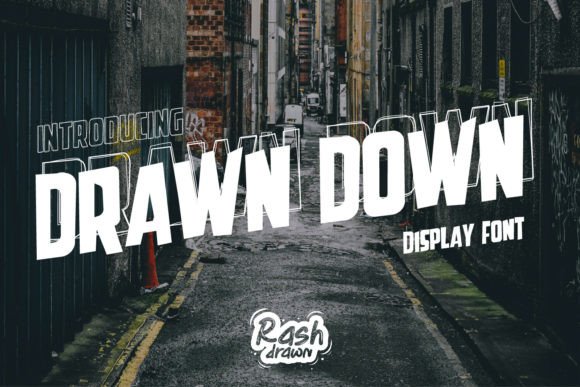
I remember the exact moment I knew my latest project needed a change. I was working on a digital magazine layout for a lifestyle brand, staring at a screen full of clean sans serif fonts that felt a bit too sterile. The content was vibrant and full of life, but the typography was whispering instead of singing. That is when I discovered Drawn Down. It arrived as a playful and bold font display that's sure to catch the eye, instantly transforming the mood of the page from corporate to creative. With its thick, confident strokes and whimsical curves, this font is perfect for designs that need a touch of fun and flair.
In this story of redesign, I am sharing how integrating this specific typeface elevated the entire reading experience. We are not just talking about swapping one set of characters for another; we are talking about setting a tone that invites readers in. As an editorial designer, finding the right Display font can be the difference between a document that gets skimmed and one that gets savored. This article explores my journey using Drawn Down across various creative projects, from newsletter headers to printable guides, and why it stands out among modern Fonts.
Drawn Down for Lifestyle Blog Headers and Digital Magazine Covers
The first place I tested Drawn Down was the header of my lifestyle blog, where visual hierarchy is critical for guiding reader attention. The challenge was to create a logo treatment that felt approachable yet authoritative without looking like a generic template. When I applied the thick, confident strokes of Drawn Down, the blog name immediately gained presence on the screen. Unlike standard serif or sans serif options, this Display font brings a rhythmic energy that matches the dynamic nature of online content.
I noticed how the whimsical curves softened the overall aesthetic, making the site feel more personal and less algorithmic. For a digital magazine cover, this same quality allows headlines to pop against complex background images. The font's distinct character ensures that even on smaller mobile screens, the title remains legible and impactful. By choosing Drawn Down for these high-visibility areas, I established a brand identity that feels curated and intentional. It proves that a single Font choice can define the personality of an entire publication before a single word of body text is read.
Why Thick Strokes Matter in Mobile Layouts
One of the most practical advantages of using Drawn Down in web design is its performance on mobile devices. In an era where many users consume content on smartphones, thin, delicate typefaces often lose their detail and become difficult to read. However, the robust weight of Drawn Down holds up beautifully under compression. The thick lines ensure that the letters remain distinct even when scaled down for a notification banner or a social media graphic.
This reliability extends to email newsletters as well. When sending out weekly updates, designers often struggle with maintaining consistency across different email clients. Because Drawn Down has such a strong structural integrity, it renders clearly in Gmail, Outlook, and Apple Mail. It serves as a reliable anchor for your message, ensuring that your call-to-action buttons or featured article titles are impossible to miss. This makes it an excellent choice for creators who want their Display fonts to work hard across multiple platforms without losing their charm.
Drawn Down for Recipe Ebooks and Printable Planner Covers
Moving beyond the web, I decided to apply Drawn Down to a physical product: a recipe ebook designed for home cooks. The goal was to make the book look like a cherished family heirloom rather than a dry instructional manual. The whimsical curves of the font added a handcrafted feel that perfectly complemented the subject matter. It suggested that the recipes inside were written with love and experimentation, which resonated deeply with the target audience.
The versatility of Drawn Down also shone when I created a printable planner for coaches. These documents require a balance of structure and creativity. Using the font for section headings and chapter openers broke up the monotony of bullet points and lists. It turned a standard worksheet into a visually engaging workbook. The font's ability to convey "fun and flair" helped reduce the intimidation factor often associated with planning and self-improvement tasks.
- Ebook Titles: Use Drawn Down for the main title to create a memorable first impression on Amazon or Etsy.
- Worksheet Headers: Apply the font to top-level sections to guide the user through the content flow.
- Printable Guides: Leverage the bold strokes for emphasis on key takeaways and summary boxes.
Pairing Drawn Down with Readable Body Text
A common misconception about Display fonts is that they should be used for long-form reading. While Drawn Down is undeniably charming, its decorative nature makes it best suited for short bursts of text like headlines, pull quotes, and captions. To maintain readability in the body of a PDF or ebook, I paired it with a classic serif font. This combination creates a sophisticated contrast: the Drawn Down provides the personality, while the serif font provides the comfort needed for extended reading sessions.
This pairing strategy is essential for editorial design. The serif font acts as a quiet partner, allowing the whimsical curves of Drawn Down to shine without competing for attention. For example, in a wedding guide, you might use Drawn Down for the invitation title and a clean sans serif font for the venue details. This mix ensures that the design feels cohesive and professional. It demonstrates that understanding font pairing is just as important as selecting the right Fonts in the first place.
Drawn Down for Course Workbooks and Brand Identity Assets
Finally, I explored how Drawn Down could serve as a cornerstone for a creator's broader brand identity. For course creators selling digital downloads, consistency is key to building trust. When I used the font across social media graphics, course landing pages, and email signatures, the brand suddenly felt more unified and recognizable. The "confident strokes" mentioned in the font description translated well into a sense of authority and reliability for the creator.
The font's playful nature also helps in standing out in crowded marketplaces. Whether it is a thumbnail for a video course or a banner for a webinar, Drawn Down draws the eye immediately. It signals that the content is fresh, engaging, and perhaps a bit unconventional. This is particularly useful for niches like wellness, creativity, and lifestyle coaching, where the audience responds well to authentic and human-centric design.
Before incorporating Drawn Down into commercial projects, it is always wise to check the included styles and file formats. Most premium packages come with a variety of weights, alternates, and ligatures that allow for further customization. Checking for multilingual support is also crucial if you plan to reach a global audience. Understanding the licensing terms ensures that you can use the font legally in ebooks, templates, printables, paid newsletters, client publications, or digital downloads without any legal hurdles.
In the end, the decision to use Drawn Down was not just about aesthetics; it was about creating a better connection with the reader. By choosing a font that embodies confidence and whimsy, I transformed static layouts into inviting spaces. If you are looking to add a touch of fun and flair to your next project, this Display font is a powerful tool in your design toolkit. It reminds us that typography is not just about words; it is about the feeling those words evoke.